

Cairns Market Update 2026: Trends & Insights
Cairns Property, 2026 Market Update, Real Estate Trends
Cairns Market Update 2026: Suburb Growth, Stabilisation and What It Means for You
The Cairns housing market has been one of Australia’s quiet over‑performers. In 2026, it moved from rapid price gains into a more balanced phase, with some suburbs powering ahead and others finally catching their breath. This 2026 Market Update walks you through where the year started, how it transitioned, which areas showed the strongest Suburb Growth, and where conditions have declined or stabilised so you can make clearer decisions about buying, selling or holding Cairns Property.
Where 2026 Started: A Market Still in Overdrive
As 2026 kicked off, Cairns Housing was still running hot after several years of outsized gains. By early in the year, detached houses in the Cairns Regional LGA were recording a median around $745,000–$810,000, with Opteon data showing an 8.7% rise over 2025 and more than 23% above 2024 levels for houses alone (Opteon). Units were also strong, with medians in the mid‑$400,000s and annual growth above 7%.
Broadly, the all‑dwellings median sat around $679,000 by May 2026, up more than 16% year‑on‑year, with houses up 15.3% and units up 19.6% (realestate.com.au). While major capitals such as Brisbane and the Gold Coast were already seeing price falls, Cairns Property was still defying higher interest rates and cost‑of‑living pressures.
Several forces sat behind this early‑2026 strength:
Lifestyle migration and retirees continuing to choose Cairns for its climate, reef–rainforest appeal and relative affordability.
Chronic undersupply, with land prices jumping 41% year‑on‑year to a median of about $363,750 in Q1 2026 and only 246 vacant land sales recorded across the region (HIA).
Extremely tight rental conditions, with vacancy rates under 1.2% for more than five years and sitting around 0.8% in mid‑2026, pushing rents sharply higher and underpinning investor interest.
For individual buyers, this meant entering 2026 in a highly competitive environment. Multiple offers, quick sales and limited stock were common, particularly for well‑located houses in family‑friendly suburbs and lifestyle pockets near the coast. Suburb Growth across the region was strong, and the question was not whether prices were rising, but how long the pace could be sustained.
The Mid‑Year Transition: From Breakneck Growth to Gentle Moderation
By winter 2026, early signs of a shift began to appear in the Cairns housing market. June’s median price was almost flat, rising just 0.01% from May, and July delivered the first monthly decline in dwelling values since April 2020 – a modest 0.16% pull‑back (realestate.com.au). This was not a collapse, but it was a clear signal that the breakneck phase of growth was easing.
Interestingly, beneath the headline figures, around 90% of local suburbs still showed positive three‑month growth to June, even as the overall median flattened. That tells us the 2026 Market Update is not about a simple boom‑and‑bust story. Instead, Cairns moved into a more nuanced phase where some segments cooled, others stabilised, and a select group of suburbs continued to push ahead strongly.
📌 Key Takeaway: The mid‑2026 transition was less about broad Market Decline and more about the market catching its breath after several years of double‑digit gains.
By September 2026, the data showed a more settled picture: Cairns’ median dwelling value sat around $673,000, with prices up 0.35% for the month, 0.03% over the quarter and a healthy 10.13% year‑on‑year (realestate.com.au). While capitals were sliding, Cairns was effectively “cruising”: not racing ahead, but comfortably holding its ground with modest ongoing growth.
Suburbs That Started 2026 Strongly: Where Growth Was Concentrated
While the headline numbers tell you about Cairns Housing overall, real opportunity lies at the suburb level. In 2026, some areas clearly led the pack for Suburb Growth, driven by affordability, lifestyle, or proximity to future infrastructure.
Northern and Southern Corridors: Consistent Climbers
At the broader SA3 level, both Cairns – North and Cairns – South recorded strong 12‑month gains to May 2026. Cairns – North saw its median house price reach about $840,000 with growth of 15.1%, while Cairns – South climbed to around $703,000, up 15.6% (Suburbtrends). For everyday buyers, this meant family homes in both established northern beaches and southern suburbs were rising at a similar clip, even if starting price points differed.
Within these areas, several neighbourhood types stood out:
South‑of‑city family belts – Suburbs like White Rock, Woree, Edmonton and Mount Sheridan offer relatively affordable detached houses and good access to schools and services. They benefitted from strong demand from local families and newcomers seeking value compared with the inner city and northern beaches. Low rental vacancies – often under 1% – added pressure to prices as tenants turned into first‑home buyers.
Northern Beaches lifestyle pockets – Areas such as Trinity Beach and Clifton Beach continued to attract lifestyle buyers and retirees. While vacancies here were slightly higher than the south (around 1.6%), beachside appeal and limited new detached housing meant prices remained on an upward trajectory, particularly for renovated homes and quality townhouses.
Regional and Hinterland Growth Leaders
Beyond the immediate city, several SA2 areas across the broader Cairns region posted standout annual growth:
Johnstone – Up a remarkable 38.3% in house prices over 12 months, reflecting the appeal of more affordable regional living within reach of Cairns and the Cassowary Coast.
Mareeba – Posting growth of 28.1%, this hinterland centre benefitted from buyers seeking space, lifestyle and comparatively lower entry prices than coastal suburbs.
Malanda–Yungaburra, Daintree and Tully – With gains ranging from about 20–27%, these areas highlight how the broader Far North has shared in the upswing, especially where lifestyle and tourism potential are strong (Suburbtrends).
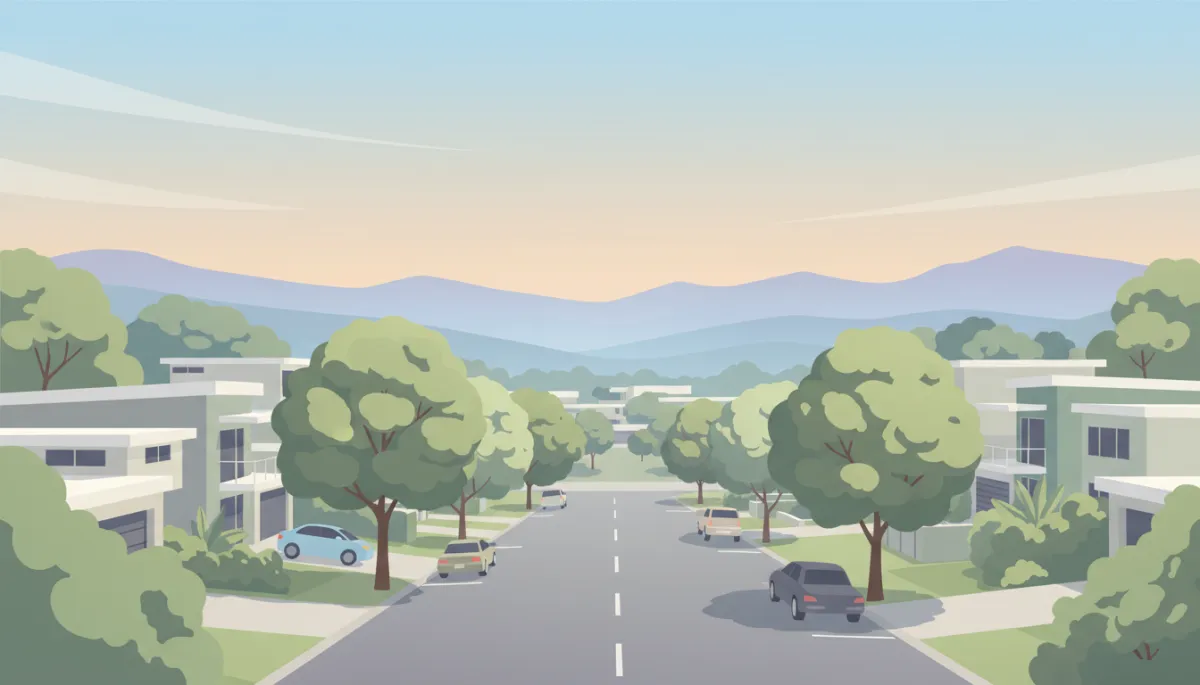
Family-friendly southern suburbs have combined affordability with strong long-term price growth.
For individual buyers, these high‑growth areas presented both opportunity and challenge. On one hand, they delivered excellent capital gains for those already in the market. On the other, rapid rises made it harder for first‑home buyers to get in, especially in suburbs that had once been considered “budget friendly”.
Where the Market Has Declined or Stabilised: Reading the New Normal
Against this backdrop of ongoing growth, some parts of the Cairns market have clearly shifted into a more stable phase, and a few have seen gentle Market Decline. Understanding these pockets is crucial if you are trying to time a purchase or decide whether to hold or sell in 2026 and beyond.
Units: From Surge to “Slowing” Cycle
Early in 2026, units were the standout performer, with values jumping nearly 20% year‑on‑year. By mid‑year, however, indicators suggested the unit segment had entered a “slowing” phase. Buyers First’s momentum dial placed the Cairns unit market in a rising‑but‑cooling part of the cycle, compared with houses at “peak” growth with a wide potential range of –3% to +14% for the next 12 months (Buyers First).
Several factors explain this stabilisation:
A surge in unit approvals, with ex‑Woree unit approvals rising from 99 to 240 year‑on‑year (a 142% increase), signalling more medium‑density supply in the pipeline (Cairns Economic Monitor).
Some buyers trading back toward houses as they sought space for remote work, pets and multi‑generational living, especially in the southern suburbs.
Investors becoming more selective, focusing on high‑yield pockets and steering away from stock with high body corporate fees or lower‑quality complexes.
This does not mean units are in serious decline. Rather, after a strong run‑up, prices in some inner‑city and older coastal complexes have levelled out. For buyers, that can translate into better negotiation power and more choice, particularly if you’re open to light renovation or are focused on long‑term rental yield rather than quick capital growth.
High‑End and Overheated Segments: Gentle Re‑Pricing, Not Collapse
In a handful of suburbs and price brackets, particularly at the upper end of the market, there are signs of softening. Properties that pushed aggressively above local medians in 2023–2025 are now taking longer to sell, with some vendors trimming expectations. This is most evident in:
Premium coastal houses and high‑spec apartments where pricing ran well ahead of local incomes and investor returns.
Properties with unique drawbacks – for example, homes on busy roads, flood‑prone locations or older units with significant maintenance needs. These are now more likely to experience small price declines or longer days on market as buyers become choosier.
💡 Pro Tip: If you’re buying into a stabilising segment, focus on quality: good aspect, low maintenance, and strong rental demand. In a flatter phase, quality assets still hold value better than the rest.
Rental Market: Tight but Plateauing in Some Pockets
Rents in Cairns have surged over several years, with 2‑bed units and 3‑bed houses recording annual increases of 7–9% in early 2026. However, as the year has progressed, there are early signs that rent growth is moderating from its previous breakneck pace, particularly in areas where new unit stock is coming online or vacancy rates are a little higher (such as parts of the northern beaches and Port Douglas–Daintree, which recorded very high vacancy of nearly 30% in some data sets).
For tenants, this offers a sliver of relief after years of extreme competition. For investors, it reinforces the importance of choosing suburbs with sustained demand – often in the southern corridor and near‑city areas – rather than chasing headline yields in locations with volatile tourism exposure or large new supply pipelines.
Big Picture: Long‑Term Growth with Relative Affordability
Stepping back from the month‑to‑month movements, the longer‑term story of Cairns Property remains remarkably strong. Over the past decade, median house prices have risen by about 86% and units by 88%, while three‑year compound annual growth has been around 17–18%, equating to more than 60% total over that period (Cairns Chamber; PRD).
Yet even after this run, Cairns remains $250,000–$270,000 below the national median, keeping it firmly in the “relatively affordable” camp compared with major capitals (Cairns Chamber). That combination – strong historical growth plus ongoing affordability – underpins why lifestyle buyers, downsizers and investors continue to view Cairns Housing as a compelling long‑term play.
What This Means for You in Late 2026
If You’re a First‑Home Buyer
The shift from explosive growth to a more stable market is actually positive. You are less likely to be outbid by runaway price jumps between inspections, and there is slightly more room to negotiate – especially on units and on houses that are not perfectly presented. Focus your search on south‑of‑city family suburbs and selected northern pockets where Suburb Growth remains solid but not overheated, and where vacancy is tight enough to support values over time.
If You’re an Investor
For investors, the 2026 Market Update suggests a pivot from chasing short‑term capital growth to focusing on yield and resilience. With rents still high and vacancy low, well‑located houses and quality townhouses in the southern corridor, inner‑city fringe and selected northern suburbs remain attractive. Be cautious in segments flagged for stabilisation or Market Decline – such as older, high‑fee apartments in oversupplied pockets – unless you are buying well below recent peak prices and with a clear value‑add plan.
If You Already Own in Cairns
Owners who have held property for three years or more are sitting on substantial gains. In many suburbs, even a slight mid‑year wobble has done little to dent longer‑term performance. If you are considering selling, pricing realistically – in line with recent comparable sales rather than 2021‑style exuberance – will be key to attracting serious buyers in a more balanced market. If you are holding, the combination of tight rental markets, ongoing infrastructure investment and relative affordability suggests the medium‑term outlook for Cairns Property remains favourable.
Looking Ahead: Growth Corridors and the Next Wave of Supply
Finally, it is worth keeping an eye on future supply and planning, as these will shape Suburb Growth patterns over the coming decade. The Far North Queensland Regional Plan 2026 provides for nearly 48,500 additional homes by 2046 – about 1,940 per year – with a strong focus on the southern growth corridor and greenfield areas such as Mount Peter (Queensland Government).
Mount Peter alone could eventually host around 18,500 new homes for 42,500 residents, accounting for more than a third of projected population growth to 2046 (Cairns Regional Council). As infrastructure funding flows, surrounding suburbs – from Edmonton and Gordonvale through to south‑of‑city estates – are likely to benefit from improved connectivity and services, supporting continued demand even as the broader market stabilises.
Conclusion: A Maturing Market with Selective Opportunities
In summary, 2026 has been a turning point for Cairns Housing. The year started with the market still in overdrive, powered by years of strong Suburb Growth, tight rental conditions and limited land supply. As the months passed, momentum eased, with a brief mid‑year dip followed by a period of stabilisation and modest gains. Some segments – particularly selected units and overheated premium stock – have cooled or plateaued, while family‑friendly suburbs in the north and south, as well as key regional centres, continue to show resilient Real Estate Trends.
For individuals, this maturing phase brings both challenges and opportunities. You may not see the same double‑digit annual jumps that characterised the early 2020s, but you also face less frantic competition and a market that rewards careful research rather than blind urgency. By focusing on quality suburbs with enduring appeal, realistic pricing and strong underlying demand, you can still make smart moves in Cairns Property, whether you are stepping onto the ladder, expanding your portfolio, or simply seeking a home that fits your lifestyle in this evolving tropical city.

Terms & Conditions | Privacy Policy
Copyright 2025 - Mayfair Buyers Agent, All Rights Reserved